

.svg)

Whistleblowing software for secure, anonymous reporting
Whistleblowing software enables organizations to receive, manage, and investigate reports of misconduct in a secure and confidential way.
SpeakUp provides whistleblowing software designed for global organizations, combining secure reporting channels, structured case management, and regulatory alignment in one platform.

Enabling the most ethical brands

.svg)


.svg)


%201.svg)

.webp)
Key requirements of effective whistleblowing software
Not all whistleblowing systems offer the same level of protection oreffectiveness. Compliance teams evaluating whistleblowing software should lookfor the following core capabilities.
Anonymous and confidential reporting
The system must allow individuals to report concerns anonymously if theychoose, and ensure strict confidentiality of their identity and the informationthey provide. Access to reports should be restricted to authorized personnelonly.
Secure case management
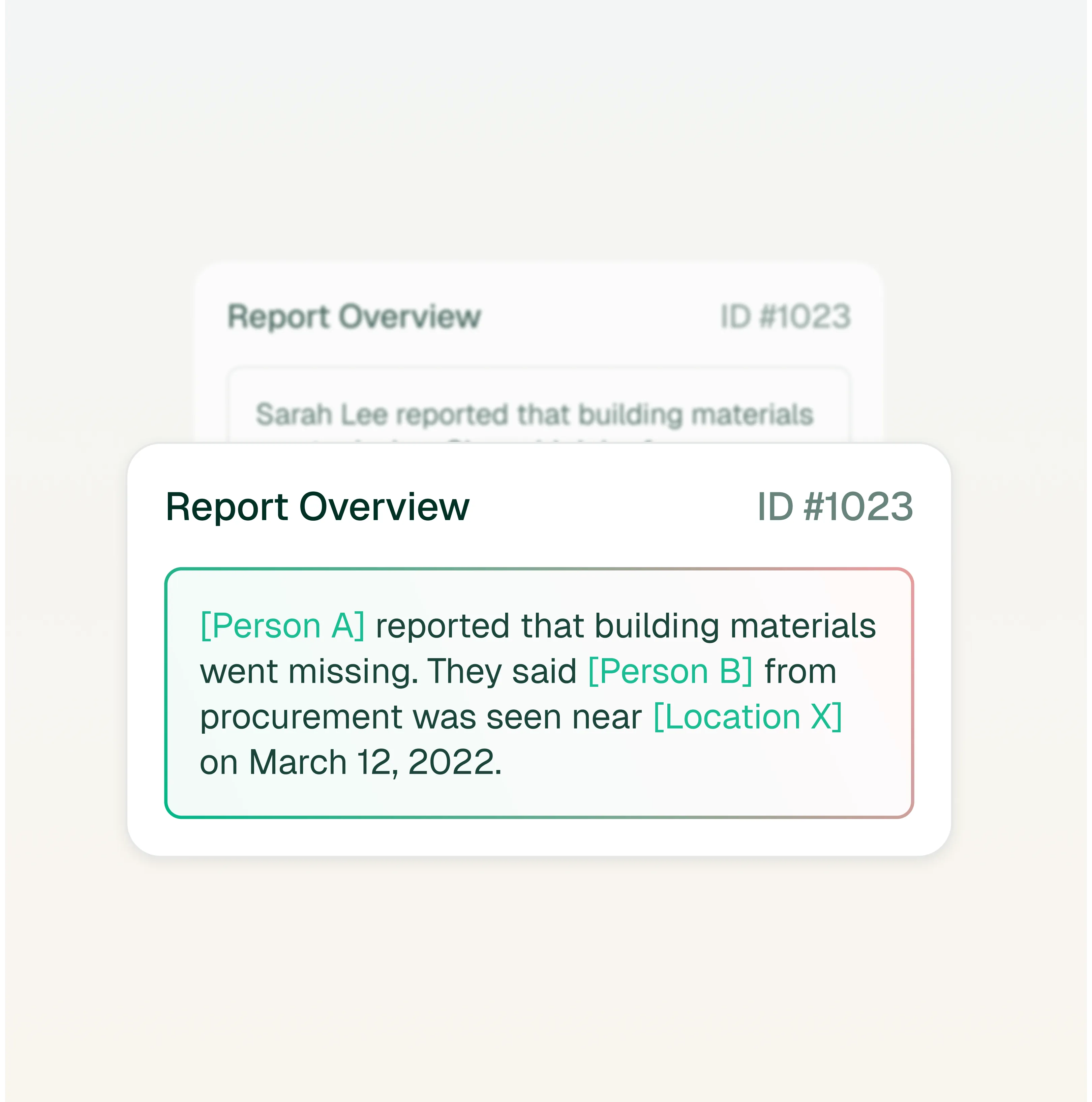
Reports should flow into a structured case management environment wherethey can be triaged, investigated, documented, and closed. This ensuresconsistency, accountability, and auditability.
Two-way communication
Effective whistleblowing systems support secure, anonymous follow-upcommunication. This allows investigators to ask clarifying questions whileprotecting the reporter’s identity.
Regulatory compliance
Whistleblowing software must support compliance with relevant laws andregulations, including the EU Whistleblowing Directive and nationalwhistleblower protection laws. This includes acknowledgment timelines,follow-up requirements, and data protection obligations.
Global accessibility
For international organizations, the system should support multiplelanguages, jurisdictions, and reporting channels to ensure accessibility forall stakeholders.

Whistleblowing regulations and legal requirements
Whistleblowing software plays a central role in meeting legal obligations, particularly in Europe.
The EU Whistleblowing Directive
The Directive (Directive (EU) 2019/1937) requires organizations with 50 or more employees to establish secure internal reporting channels and protect whistleblowers from retaliation. It sets minimum standards for confidentiality, follow-up timelines, and whistleblower protection across all EU member states.
While national implementations vary, organizations operating in Europe must ensure their whistleblowing systems meet the directive’s baseline requirements and applicable local laws.
Beyond Europe
Whistleblower protection laws and expectations are also evolving globally. Organizations operating across multiple regions must consider overlapping legal, cultural, and operational requirements when implementing whistleblowing systems.


With the right system in place, organizations can identify risks early, protect those who speak up, and demonstrate a genuine commitment to ethical conduct.
Frequently asked questions
Is SpeakUp suitable for large enterprise organizations?
Yes. SpeakUp is purpose-built for enterprise and multinational organizations. The platform is used by 750+ organizations, including global enterprises like Nestlé, Daimler Truck, Electrolux, and Swarovski. It supports complex multi-entity structures, centralized case oversight across subsidiaries, and compliance with multiple regulatory frameworks simultaneously.
What whistleblowing regulations does SpeakUp comply with?
SpeakUp supports compliance with the EU Whistleblowing Directive, GDPR, the German Supply Chain Due Diligence Act (LkSG), DORA, NIS2, and local transpositions of EU directives across member states. The platform is certified to ISO 27001, ISO 27701, and undergoes quarterly ISAE 3000 Type II assurance audits.
How does SpeakUp ensure reporter anonymity?
SpeakUp provides fully anonymous, two-way communication. Reporters can submit concerns, answer follow-up questions, and share additional evidence without revealing their identity. The platform does not collect IP addresses, device fingerprints, or any identifying metadata. All data is encrypted at rest and in transit using AES-256 encryption.
What is a reporter check-back rate, and how does SpeakUp compare?
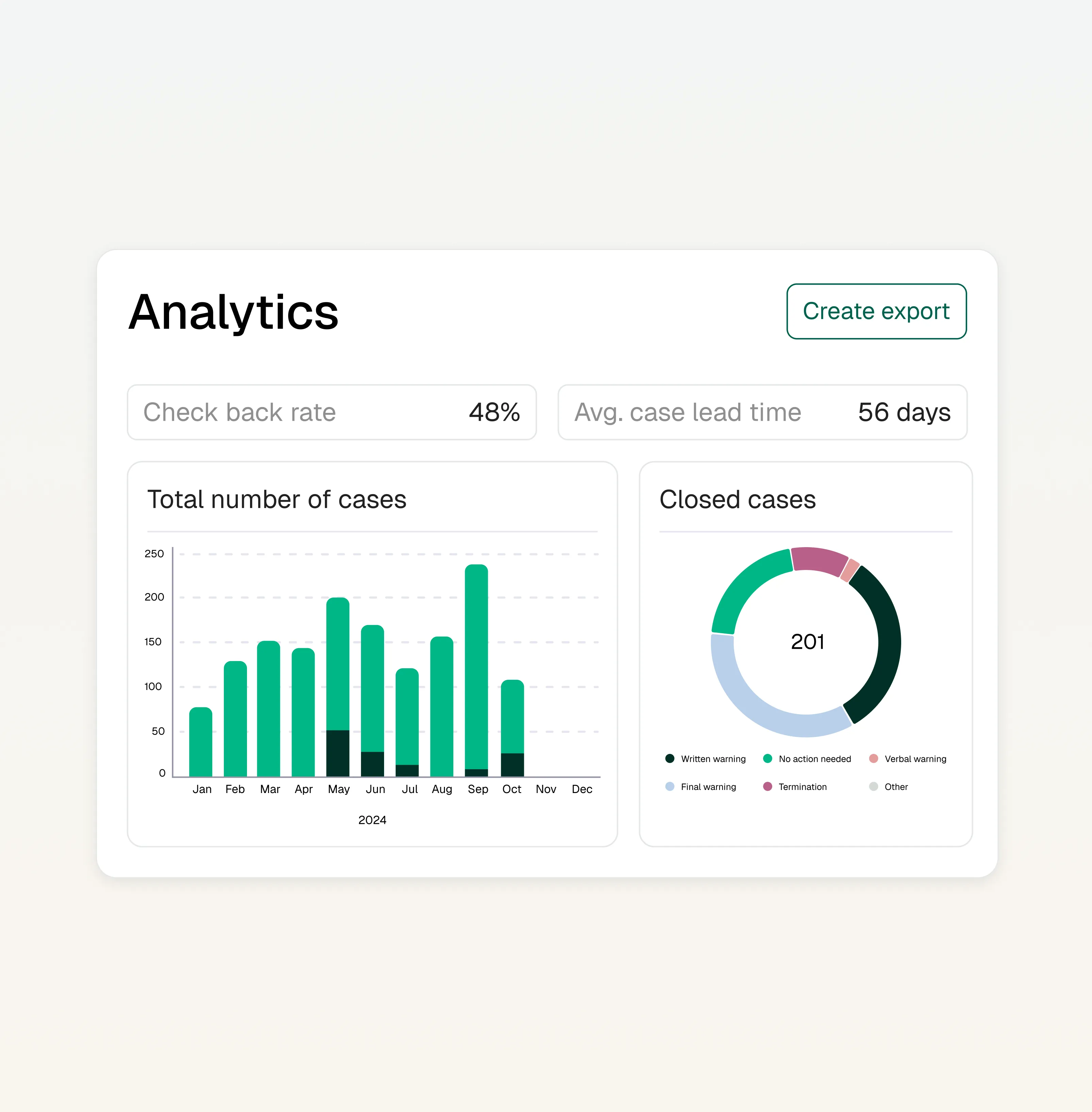
A check-back rate measures how often reporters return to their anonymous inbox to engage with case managers. SpeakUp's 49% average check-back rate is the highest published rate in the market. Higher check-back rates lead to richer case information, faster investigations, and more effective remediation.
How long does it take to implement SpeakUp's whistleblowing solution?
Most organizations go live within days. SpeakUp is recognized by G2 for the fastest implementation and go-live time in the whistleblowing software category. Compliance teams can configure intake forms, workflows, and routing rules without technical support.
What type of organizations use SpeakUp?
SpeakUp is built for enterprise and multinational organizations, while also supporting the ethics and compliance needs of Small and Medium Businesses (SMBs). More than 750 organizations trust the platform, including global brands like Nestlé, Daimler Truck, Electrolux, Primark, Swarovski, and METRO AG.
The platform supports complex, multi-entity structures and is used by organizations with operations across multiple jurisdictions and regulatory environments. And the high-level of customization and flexibility means that it can suit your needs whatever they may be.
Does SpeakUp offer case management for whistleblowing reports?
Yes. SpeakUp includes robust, full-cycle case management: intake, triage, investigation, remediation, and auditable closure. Case managers can assign tasks, set deadlines, collaborate with restricted-access teams, and generate compliance reports with a complete audit trail for every action taken.
What makes SpeakUp different from other compliance platforms?
Four things set SpeakUp apart. First, over 20 years of operational experience, making it one of the longest-established platforms in the market. Second, the highest reporter check-back rates in the industry (49% average), which means more actionable cases and better outcomes. Third, quarterly ISAE 3000 Type II audits, a level of ongoing assurance that goes far beyond standard annual ISO certifications. Fourth, useful AI. Our platform has AI integrated into it, not just bolted on, meaning that you can focus on the important things in your work.